






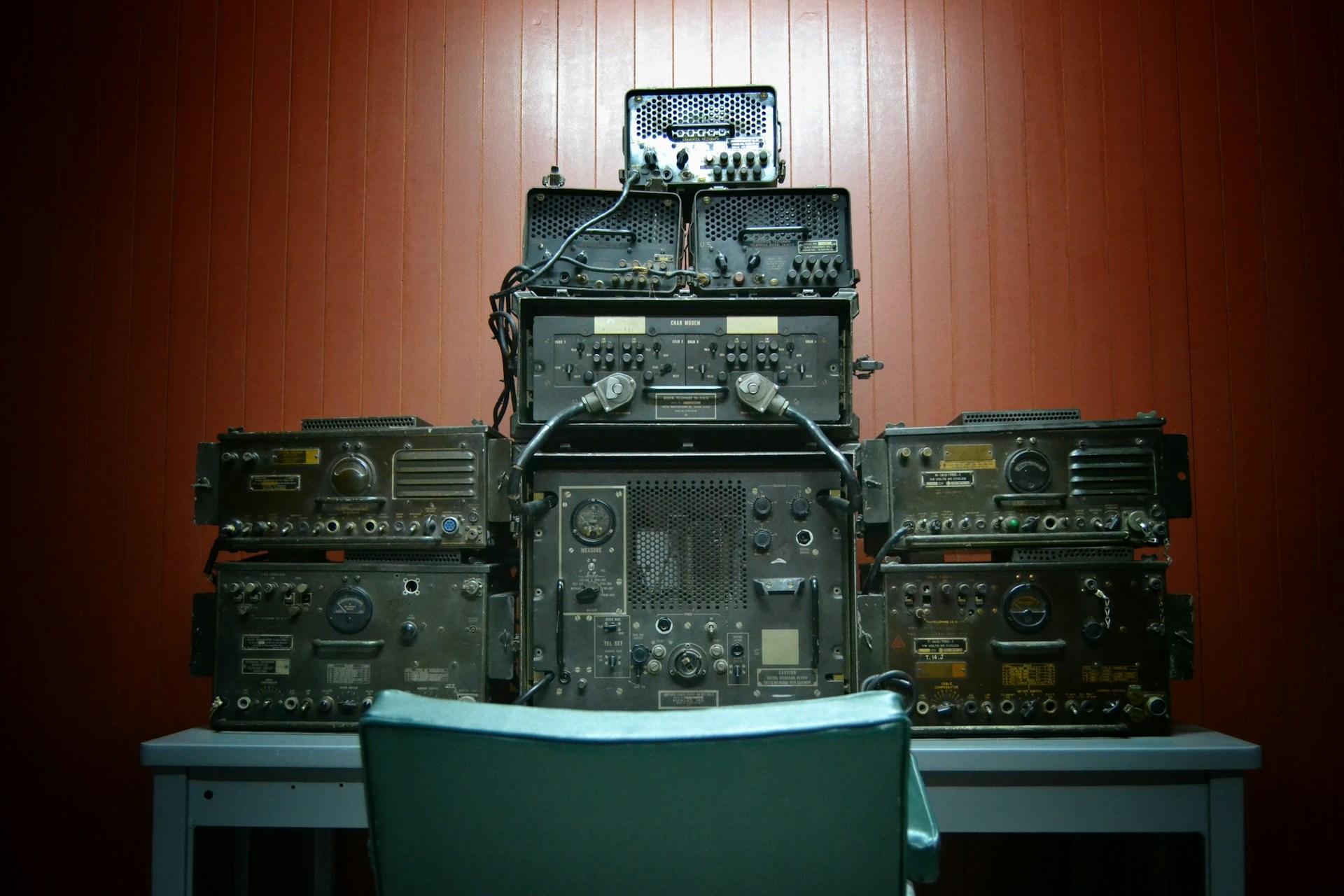
The 3 3 3 rule is a practical communication framework used by amateur radio operators to maintain clarity, control, and safety during emergencies. It reduces transmission time, standardizes message structure, and minimizes errors when multiple operators share limited frequencies under pressure. In situations where seconds matter and confusion spreads quickly, this rule ensures that essential information is delivered accurately and efficiently.
What Is the 3 3 3 Rule in Amateur Radio?
The 3 3 3 rule is built around three simple constraints that shape how messages are transmitted. Operators limit their communication to short, structured segments that are easy to understand and repeat. Typically, this means keeping messages concise, restricting airtime to a few minutes, and repeating critical information up to three times to ensure accuracy.
This approach is not about reducing information but about prioritizing what matters most. Instead of overloading the channel with unnecessary details, operators focus on actionable data such as location, situation, and immediate needs. The result is a cleaner communication flow that works even in chaotic environments.
Why the 3 3 3 Rule Matters in Emergency Communication
Emergency scenarios create high cognitive pressure. Operators may be dealing with stress, noise, signal interference, and multiple incoming messages at once. Without structure, communication quickly becomes fragmented and unreliable. The 3 3 3 rule eliminates this problem by enforcing discipline and predictability in every transmission.
Short, repeated messages reduce the risk of misinterpretation, especially when signals are weak or distorted. At the same time, limiting airtime prevents frequency congestion, allowing more operators to share critical updates without interruption. This balance between clarity and efficiency is what makes the rule effective across different emergency contexts, from natural disasters to large-scale coordination efforts.
How to Apply the 3 3 3 Rule in Real Situations
Applying the rule requires more than just shortening messages. It involves thinking in a structured way before pressing the transmit button. Operators should organize information in a logical sequence: who is calling, where they are, what is happening, and what assistance is needed. This format ensures that even if part of the message is lost, the most important elements are still communicated.
Repetition plays a critical role in this process. Key details such as coordinates, names, or instructions should be repeated clearly to confirm accuracy. This is particularly important when working in environments with interference or when coordinating across multiple relay points.
In many fields, including communication and decision-making systems, success depends on balancing structure with uncertainty. Even in areas like online casino reviews on https://gry-hazardowe-zadarmo.com/, users rely on clear information, defined rules, and risk awareness to make better decisions, which closely reflects how amateur radio operators use structured communication to stay in control during emergencies.
Key Benefits for Amateur Radio Operators
The 3 3 3 rule provides immediate advantages, especially for operators who may not have extensive emergency response experience. First, it increases reliability by creating a consistent communication standard that all participants can follow. When everyone uses the same structure, messages become easier to interpret and relay.
Second, it improves coordination speed. Short, clear transmissions allow teams to process information quickly and respond without delay. This is critical when multiple decisions must be made in a limited timeframe.
Third, it optimizes frequency usage. Efficient communication ensures that more operators can transmit within the same time window, which is essential when networks are overloaded or infrastructure is compromised. This efficiency directly contributes to better overall situational awareness.
Common Mistakes and How to Avoid Them
Despite its simplicity, the 3 3 3 rule is often misapplied. One common mistake is overloading messages with excessive detail. Operators may feel the need to explain everything at once, but this reduces clarity and blocks the frequency longer than necessary. The solution is to focus strictly on essential information and leave additional details for follow-up transmissions.
Another issue is failing to repeat critical data. Without repetition, important details can be lost or misunderstood, especially in poor signal conditions. Consistent repetition ensures that messages are received and confirmed correctly.
A lack of transmission discipline is also a frequent problem. Interrupting others, exceeding time limits, or speaking without preparation disrupts the entire communication flow. Operators should always pause, structure their message mentally, and then transmit with precision.
How to Train and Improve Communication Skills
Effective use of the 3 3 3 rule requires regular practice. Operators should participate in simulation exercises that replicate real emergency conditions, including limited bandwidth and high message traffic. These drills help build confidence and reinforce structured thinking under pressure.
Working with other operators is equally important. Peer feedback allows individuals to refine their communication style, identify weaknesses, and improve clarity. Reviewing past transmissions can also highlight recurring mistakes and provide opportunities for improvement.
Consistency is key. The more frequently the rule is practiced, the more natural it becomes, allowing operators to respond instinctively during real emergencies.
Final Thoughts
The 3 3 3 rule is a simple but powerful tool that enhances safety and efficiency in amateur radio communication. By enforcing concise messaging, controlled airtime, and repetition of critical information, it creates a reliable system that performs well even under extreme conditions. Operators who adopt this approach not only improve their own performance but also contribute to a more effective and coordinated emergency response network.







+ There are no comments
Add yours