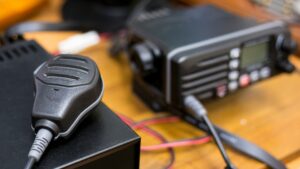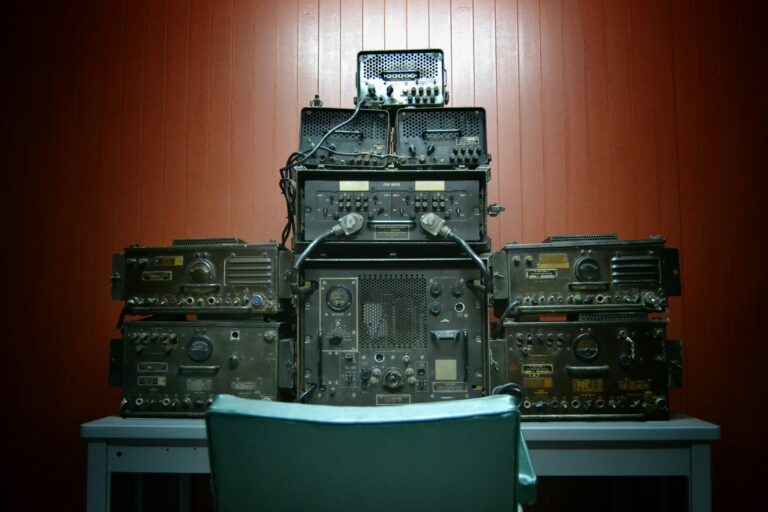





You might think radio operators and gamblers live in completely different worlds. One group spends their time tweaking antennas and chasing distant signals, while the other focuses on odds and probabilities.
But the surprising truth is radio amateurs bring a unique set of skills to betting and gambling that gives them an unexpected edge. Let’s talk about a few.
The Technical Mindset That Bridges Two Worlds
Radio amateurs are problem solvers by nature. They spend countless hours understanding signal propagation, calculating frequencies, and troubleshooting equipment.
This same analytical approach becomes incredibly valuable when assessing betting opportunities. Instead of making impulsive decisions based on gut feelings, they treat gambling with the same methodical approach they use when setting up a new radio rig.
The connection between these two activities runs deeper than most people realize. Ham radio operators are used to working with probability and statistics when predicting atmospheric conditions for long-distance communications. They understand that not every attempt to make contact will succeed, just like not every bet will win.
This realistic perspective helps them manage expectations and avoid the emotional rollercoaster that often derails casual gamblers.
Platforms such as Vox Casino Poland, whose reviews and player opinions can be found at https://pl.polskiesloty.com/vox-opinie/, attract users who value strategic thinking and calculated risk — qualities that radio amateurs possess in abundance.
The discipline required to obtain and maintain an amateur radio license also plays a role. Radio operators must study regulations, learn technical concepts, and pass examinations. This commitment to learning and following rules translates well to understanding betting systems and gambling regulations.
Pattern Recognition and Data Analysis
One of the most valuable skills radio amateurs develop is pattern recognition. When monitoring bands and tracking propagation conditions, they learn to spot trends and anomalies. They keep detailed logs of their contacts, noting times, frequencies, and conditions. This data-driven approach mirrors the kind of analysis successful bettors employ.
Ham radio operators are comfortable with spreadsheets, databases, and tracking systems. They apply these same tools to gambling activities:
- Recording bets, outcomes, and conditions surrounding each wager
- Identifying which strategies consistently produce results
- Tracking patterns across different time periods and betting types
- Using empirical evidence rather than gut feelings or hunches
The understanding of signal-to-noise ratio also has an interesting parallel in gambling. Radio operators know how to filter out interference and focus on valuable information.
In betting contexts, this translates to ignoring hype and media noise while concentrating on meaningful statistics and trends. They can distinguish between relevant data and distracting information that leads to poor decisions.
Risk Management and Bankroll Strategy
Amateur radio operators understand risk in ways that casual hobbyists might not. They calculate power outputs, manage equipment investments, and plan for equipment failures. This same mindset applies perfectly to bankroll management in gambling.
Key risk management principles radio amateurs apply to gambling include:
- Setting strict budget limits and sticking to them
- Never betting more than a predetermined percentage of total bankroll
- Planning for losing streaks just like planning for equipment failures
- Protecting resources as much as seeking opportunities
Radio enthusiasts are familiar with the concept of working within constraints. Limited power output, restricted frequencies, and equipment limitations necessitate that they optimize their approach. Similarly, they apply budget constraints and betting limits to their gambling activities.
They rarely chase losses or bet beyond their means because they’ve internalized the importance of sustainable practices through their radio hobby.
The patience developed through ham radio operations is another crucial advantage.
Making a rare long-distance contact might require hours or even days of waiting for the right conditions. This patience prevents the impulsive betting that destroys many gambling bankrolls. Radio operators can wait for favorable odds and skip opportunities that don’t meet their criteria.
The Psychology of Long-Term Success
Radio operators understand that variance is normal. Some days propagation is excellent, and other days it’s terrible through no fault of their own. They apply this same understanding to gambling variance, recognizing that short-term results don’t invalidate sound strategy.
This psychological resilience helps them stick to proven approaches even during losing streaks.
The combination of technical skills, analytical thinking, patience, and community support creates a framework for more thoughtful gambling engagement. While no approach guarantees success in games of chance, radio amateurs bring a unique toolkit that helps them make more informed decisions and manage their activities more responsibly. Their hobby teaches valuable lessons that extend far beyond the radio shack.